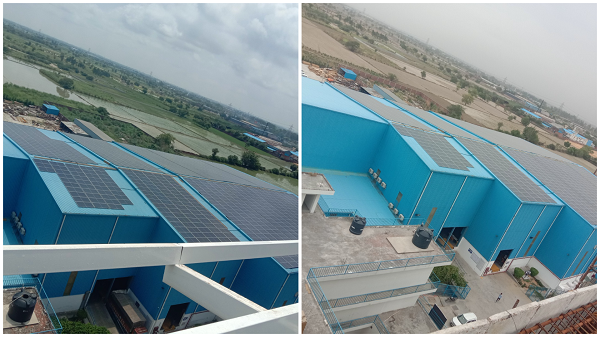
Pre-Engineered Buildings
A pre-engineered building (PEB) is a
structure that is designed, engineered, and
fabricated in a factory before being
transported to the construction site for
assembly. It is a type of building
construction that utilizes standardized and
pre-fabricated components to expedite the
construction process and enhance
efficiency.
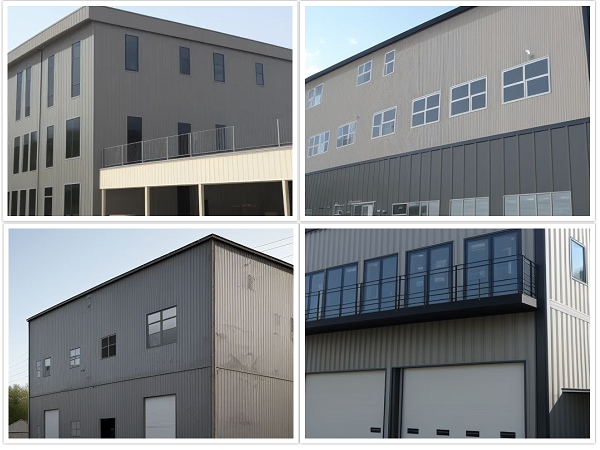
PEBs are typically made of steel and are
commonly used for industrial, commercial,
and institutional applications. The design
of a pre-engineered building involves the
integration of various building systems,
including the primary framing, secondary
framing, roofing, wall panels, and other
components. These components are
manufactured off-site and then transported
to the construction site for
assembly.
One of the key advantages of pre-engineered
buildings is their speed of construction.
Since the components are pre-fabricated, the
on-site assembly process is streamlined,
resulting in faster project completion
compared to traditional construction
methods. Additionally, PEBs offer design
flexibility, allowing for customization
based on specific requirements and building
codes.
PEBs are known for their structural
strength, durability, and
cost-effectiveness. The steel components
used in pre-engineered buildings provide
excellent strength-to-weight ratios, making
them capable of withstanding various loads
and weather conditions. The use of
standardized components also helps in
reducing material waste and optimizing cost
efficiency.
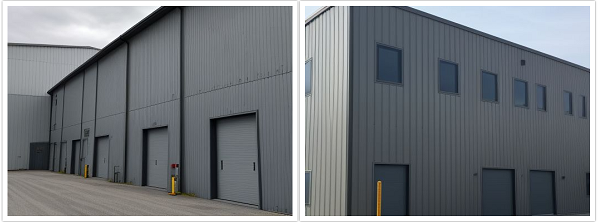
Overall, pre-engineered buildings offer a
practical and efficient solution for
construction projects that require speed,
flexibility, and cost-effectiveness. They
have become increasingly popular in sectors
such as warehouses, factories, distribution
centers, retail spaces, and sports
facilities.
Porta Cabins
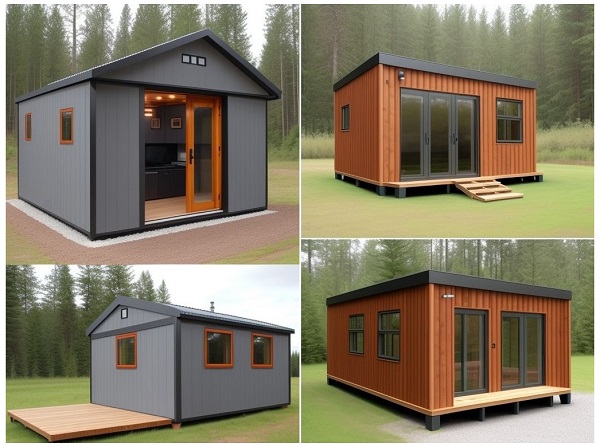
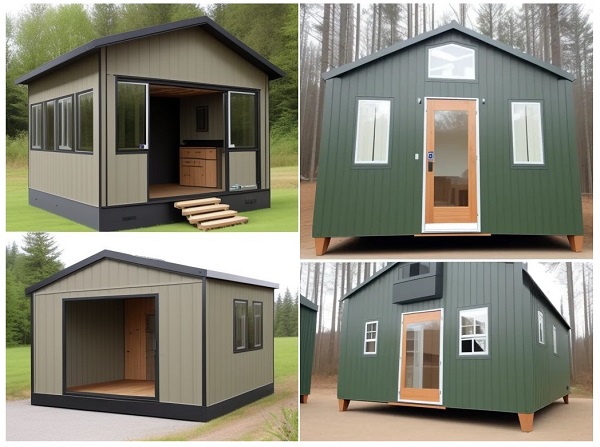
A porta cabin, also known as a portable cabin
or modular cabin, is a type of temporary or
portable structure that is designed for
various uses, such as office space,
accommodation, storage, or other purposes.
These cabins are typically prefabricated and
can be easily transported to different
locations. They are commonly used in
construction sites, remote areas, or places
where a temporary structure is
needed.
The term "porta cabin" is derived from
"portable cabin," emphasizing the ease with
which these structures can be transported
and set up at different sites. They are a
practical solution for temporary
accommodation or office needs in situations
where a permanent building may not be
feasible or necessary.
Porta cabins are known for their
versatility, quick installation, and
mobility. They are often made from materials
like steel, aluminum, or a combination of
both, providing a balance of durability and
portability. These cabins can be customized
to meet specific requirements and may
include features such as insulation, air
conditioning, plumbing, and electrical
wiring. The portability and modular nature
of these cabins make them convenient for
temporary or semi-permanent use in
situations where a quick and flexible
solution is needed.
Common applications for porta cabins include
construction site offices, guardhouses,
classrooms, healthcare facilities, and
housing for workers in remote locations.
They are also used at events and festivals
as temporary structures for ticket booths,
information centers, or as dressing rooms
for performers. The versatility and ease of
installation make porta cabins a popular
choice for temporary space requirements.
Hi-Rib
- Hi-Rib profies is 1020mm wide coverage with 28-30mm deep ribs at 200-250mm centre to centre with two/three stiffeners in between the rib.
- Hi-Rib profile incorporates male/female ends with fill return leg & anti-capillary flute at side-lap thus ensuring leak proof sheeting capable of efficient water drain out.
- The profile is also available in crimp curve from the semi-circular/arched roofing and flashings.
Fixing Procedure :
Lift sheets onto roof supports with ribs up and all with overlapping ribs (female) facing towards starting edge. To commence fixing place the first sheet in position with the female rib in line with other building elements and fasten as recommended. Lap the female rib (with turned down free edge) of the second sheet over the make rib (with turned-out bottom edge) of the first sheet and insert recommended side lap fasteners to hold the lap firmly in place before fastening the second sheet to support. Follow the second sheet procedure for subsequent sheets.
Enqire Now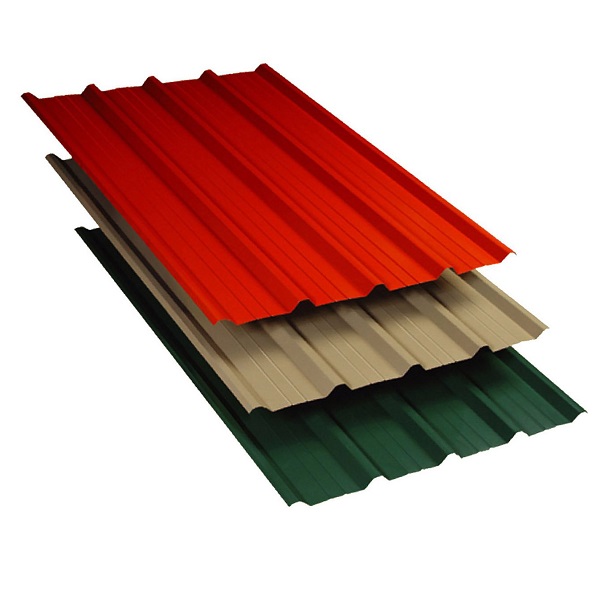
Klippon
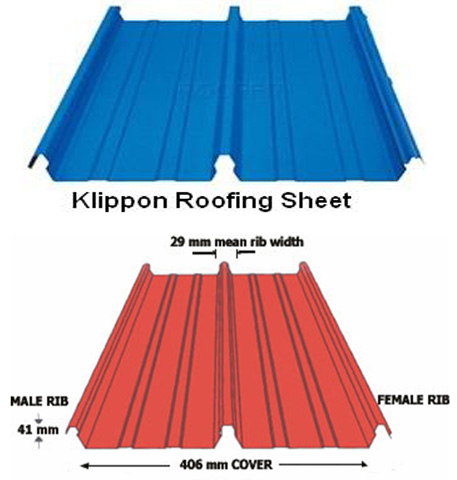
Kliplock profile is designed to be fixed to roof purlin or wall girt with fixing clips which concealed during insulation and require no fastening holes through the shed. As Kliplock fixing method no screws are visible so there is no screw penetration. The clips are fixed directly on the support with only 2 nos. fasteners per clip thus provide positive engagement in the ribs of the profile.
Klipon Fastning Method :
Klippon steel cladding is designed to be
fastened to roof purlins or wall girts with
fixing clips which are concealed during
fixing and do not require any fastening
holes through the steel sheets.
The clip for fastening Klippon steel
cladding requires only two fasteners per
clip and provides an easy, positive
engagement in the ribs of the
profile.
The two fasteners are inserted only through
the two punched holes. Four dimples are also
provided in the clip but these are for
auxiliary fasteners only.
Because of the concealed clip fixing method,
no fastening screws are visible and there is
no screw penetration through the external
sheeting. Concealing fixing also offers and
advantage of security. Entry into the
premises by unscrewing of roof and wall
cladding sheets is not possible. Klippon can
be used for roofing large span factories,
warehouses, commercial, educational,
institutional, domestic and recreational
buildings.
Advantage of profiles :
- Roofing in Industrial, commercial, residential and various other markets.
- Strong profile to stand High wind pressure.
- Supplied in either custom cut or any length.
- Available in wide range of Galvalume, Pre-painted galvanized steel, aluminium etc.
- Economical solution for builders.
- Can be fixed on existing shed.
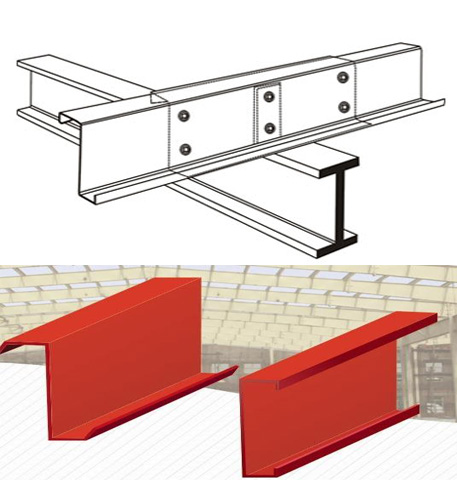
Z purlins
Z purlins are most unique cold roll formed
sections used to fix roof and side
claddings. The advantage of using Z purlins
is unlimited-depth the thickness option
gives the designer the required freedom to
design most economical purlin.
The higher Zxx value gives more stability in
lateral direction and thus minimizes
saving.
Designer can select different thickness Z
purlin with similar depth for the same
structure, which ensures overall economy for
the structure. Sleeved Purlin system ensures
continuity and rigidity.
Cee Purlins
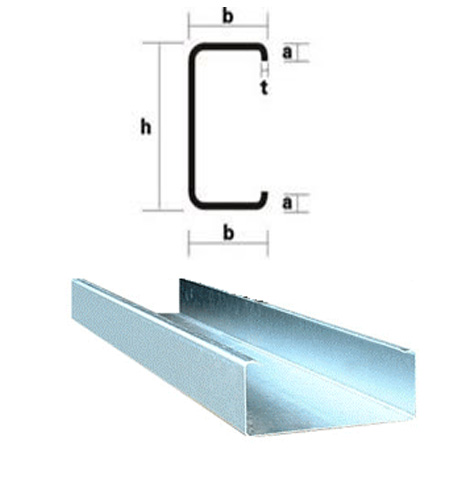
“ CEE ” Purlins can be used in place of Z
purlins or conventional hot rolled C
channels or IS angles or tubes for fixing
roof or side cladding.
This new time saving bridging system with a
comprehensive range of accessories
available, provides a complete, easily
erected system. This system provides
efficient light weight, economical roofing
and cladding supports for framed
structures.
Accessories & Flashing
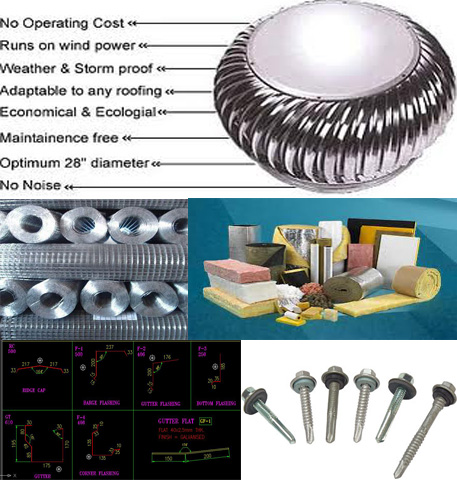
In addition to the profiled sheets, Paramount
also supplies factory finished Cold-formed
flashings, cappings & trims such as: Barge
Boards, corners, Drip ends, Gutters, Ridge
Capping, Apron flashings etc.
Paramount also supplies Ridge-Vent, Roof
Monitor, Ventilator, Louvers,
Contour-matched skylight panels,
FRP/Polycarbonate, Foam-Fillers, sealing,
roof curbs etc. as per requirements.
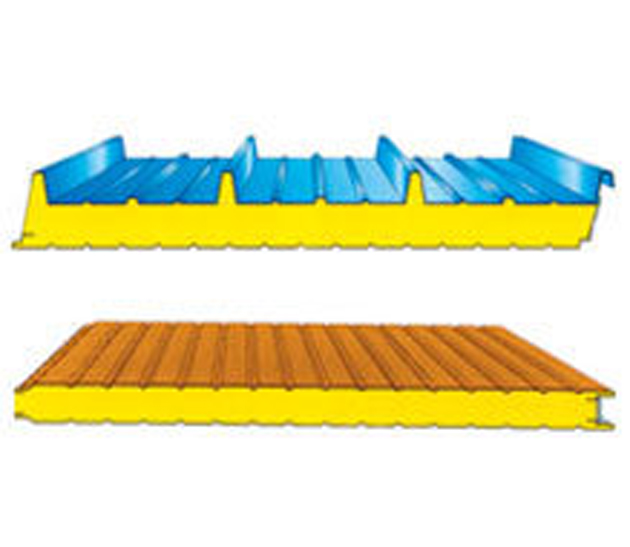
puf sandwich panels
Insulated Sandwich Panels offers an affordable range of sandwich puf panels for roofing, wall cladding and cold room. These insulated sandwich panels consists of two facings of relatively thin metal profiled sheet of high strength, which is relatively thick and light with required stiffness. The facings are of aluminum or steel.
Dimensional Specification
| Thicknesses | 30 to 120 mm |
|
Width | 1000 mm to 1200 mm |
| Maximum Length | 15 meter |
Advantages :-
- High load bearing capacity at low weight
- Excellent thermal insulation
- Absolute water and vapour barrier
- Excellent air tightness and free of thermal bridgeswhich results in considerable energy
- Resistance to weather and aggressive environments
- Ease of installation
- Long life and very low maintenance cost
- Easy repair and replacement in case of damage
- Good sound insulation
- Reasonable fire reaction and resistance